Discover the Fleet
Take a look at the locomotives and rolling stock that make up the InterCity 225 fleet, including when they entered service, the liveries worn, the names they have carried and their current status. Some InterCity 225s continue to run their traditional express services along the East Coast Mainline (ECML), while other locomotives and coaches have been cascaded elsewhere or scrapped. You'll find full details below.
Class 91 Locomotives
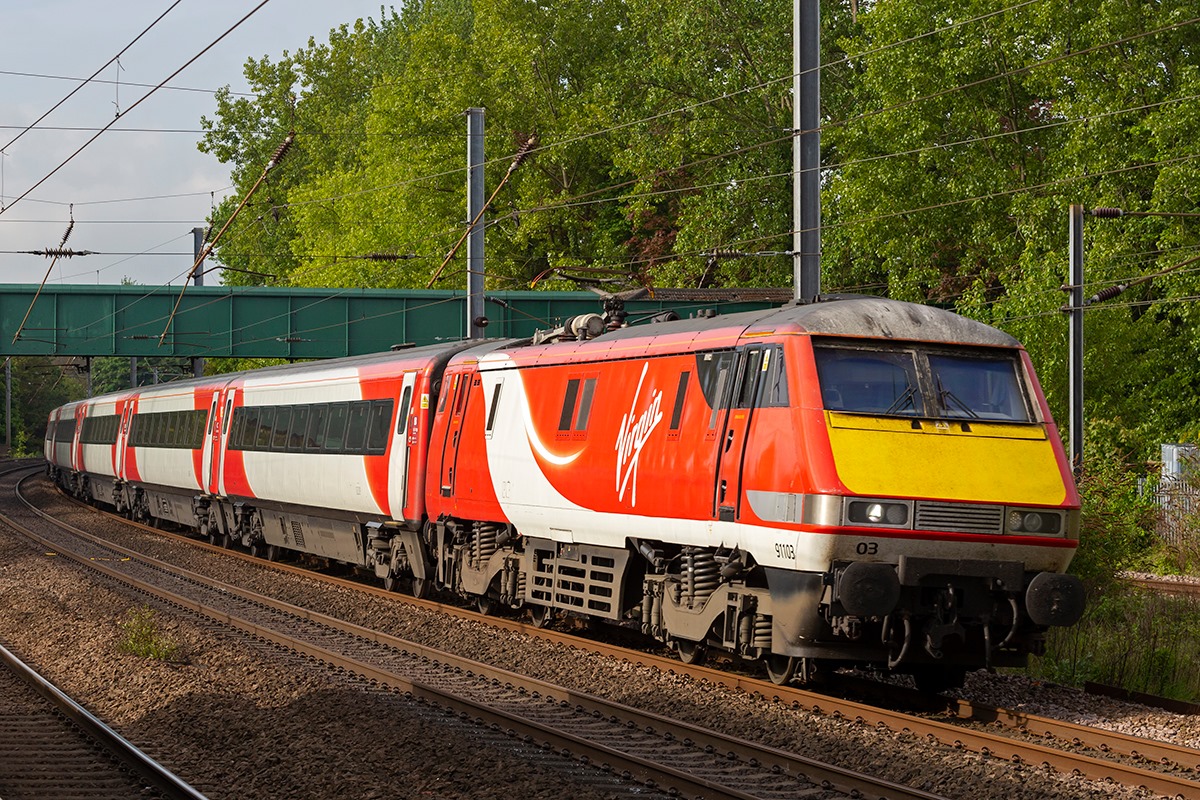
A total of 31 Class 91 electric locomotives were built by British Rail Engineering Limited (BREL) at Crewe Works from 1988 to 1991. They have spent most of their lives operating express services along the ECML as part of the InterCity 225 sets. Around half survive – 12 continue to work on the ECML, while others have found secondary uses, entered preservation or been scrapped.
Mark 4 Rolling Stock
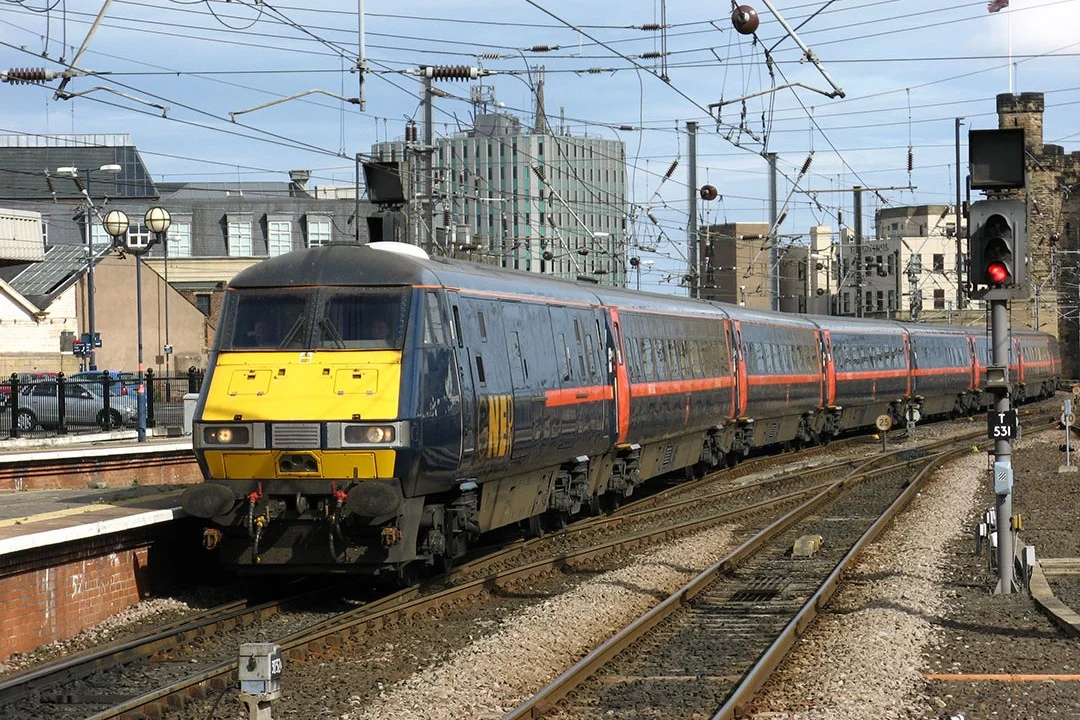
A total of 282 Mark 4 coaches and 32 Driving Van Trailers (DVTs) were built by Metro-Cammell at Washwood Heath from 1989 to 1992 for the InterCity 225 sets. They have spent most of their lives working express services on the ECML. Eight sets of seven coaches and DVTs (plus spares) remain in use on the ECML with London North Eastern Railway (LNER). A further eight sets of five coaches and DVTs (plus spares) are owned by Transport for Wales for use on its premier services from South Wales to Manchester and Holyhead.
Class 67 Locomotives
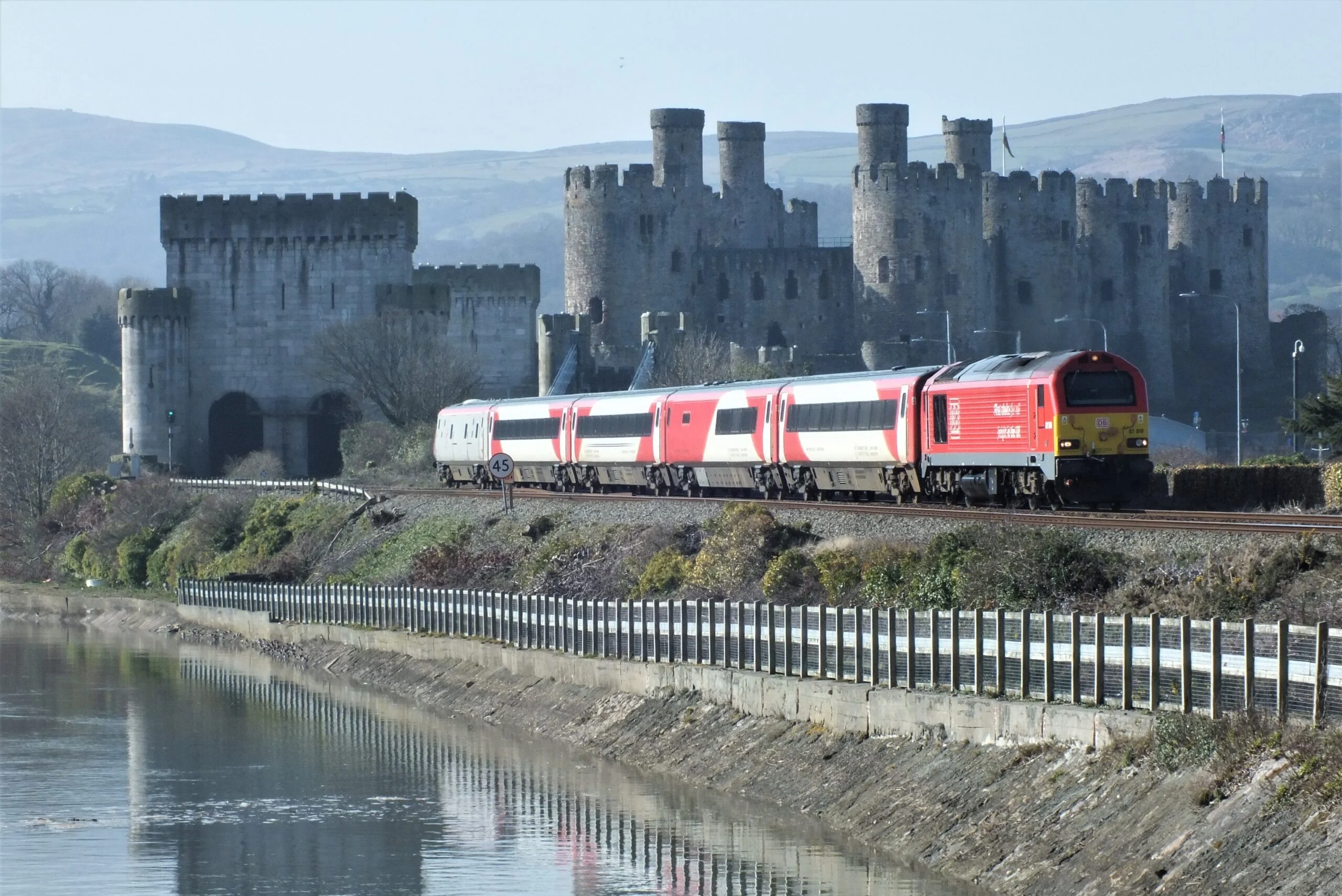
A total of 30 Class 67 diesel-electric locomotives were built by Alstom in Valencia (Spain) during 1999 and 2000. They have been employed on a wide variety of work but, since 2019, 12 have been modified to work in push-pull mode with Mark 4 rolling stock on the Transport for Wales premier services from South Wales to Manchester and Holyhead.
See and ride the InterCity 225
Two passenger train operating companies use InterCity 225 rolling stock – London North Eastern Railway (LNER) and Transport for Wales (TfW). Find planned diagrams and timetables here.
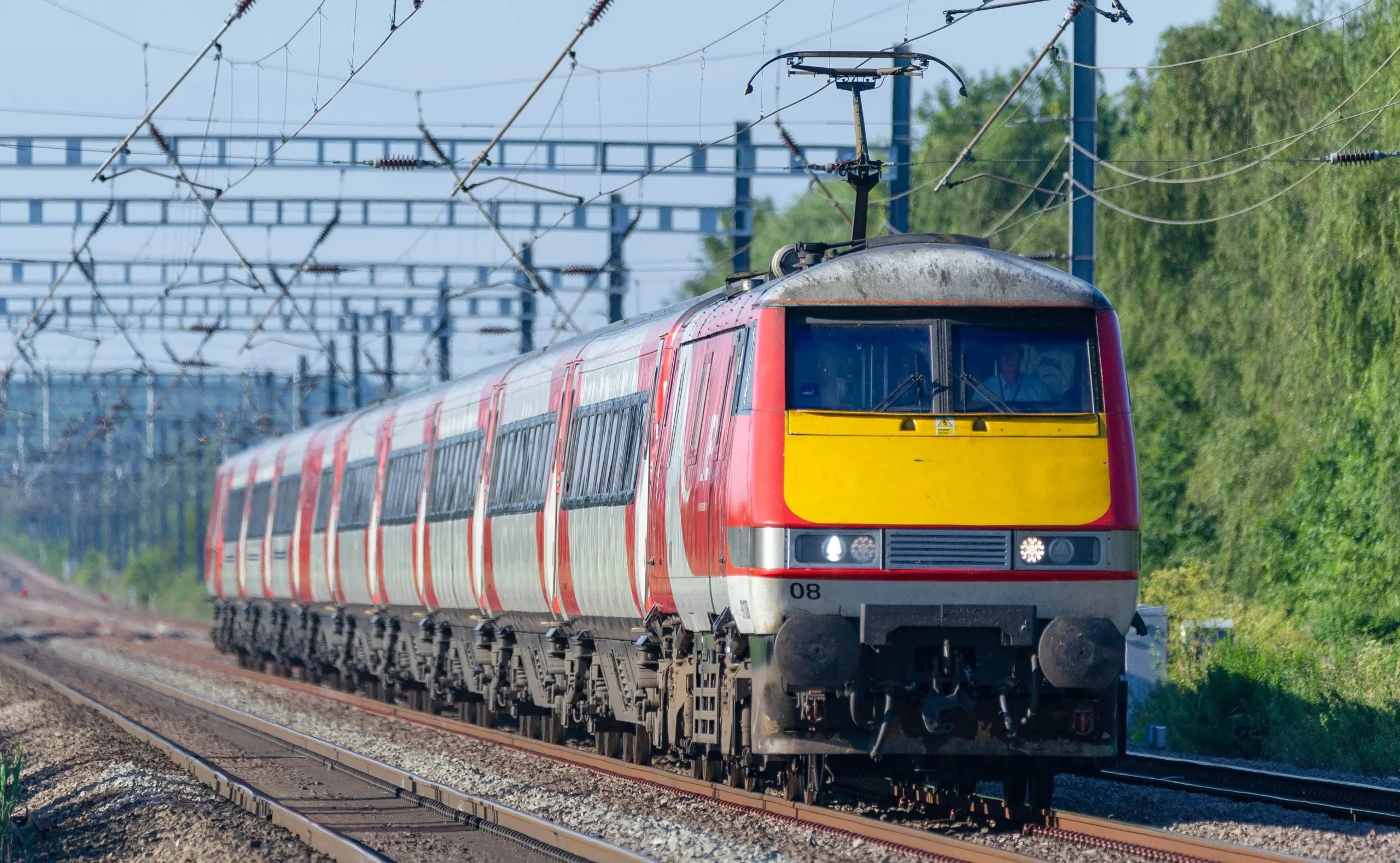
London North Eastern Railway (LNER)
LNER uses InterCity 225s on a small number of services between London and Leeds, Bradford, Skipton, York and Newcastle. The trains are powered by Class 91 electric locomotives and normally operate in push-pull formation with seven Mark 4 coaches and a DVT.
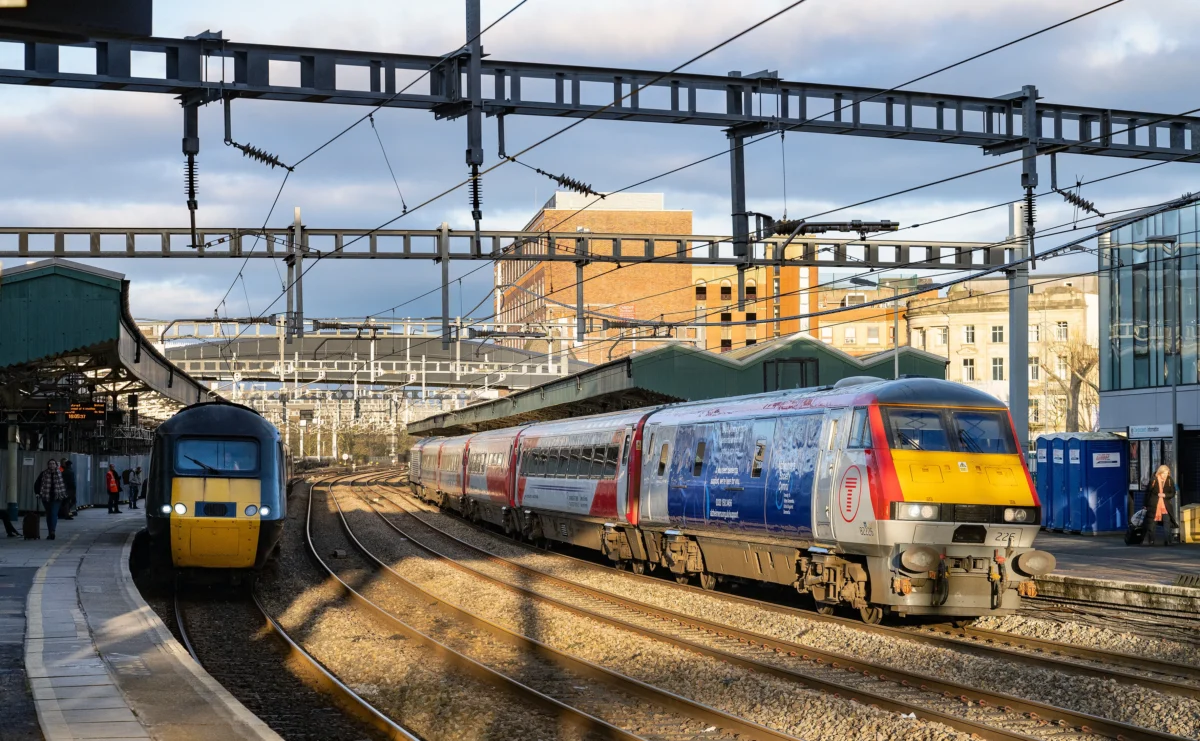
Transport for Wales (TfW)
TfW uses Mark 4 rolling stock powered by Class 67 diesel locomotives on its premier services between South Wales and Manchester or Holyhead. The trains operate in push-pull mode and are normally formed of five coaches and a DVT.